
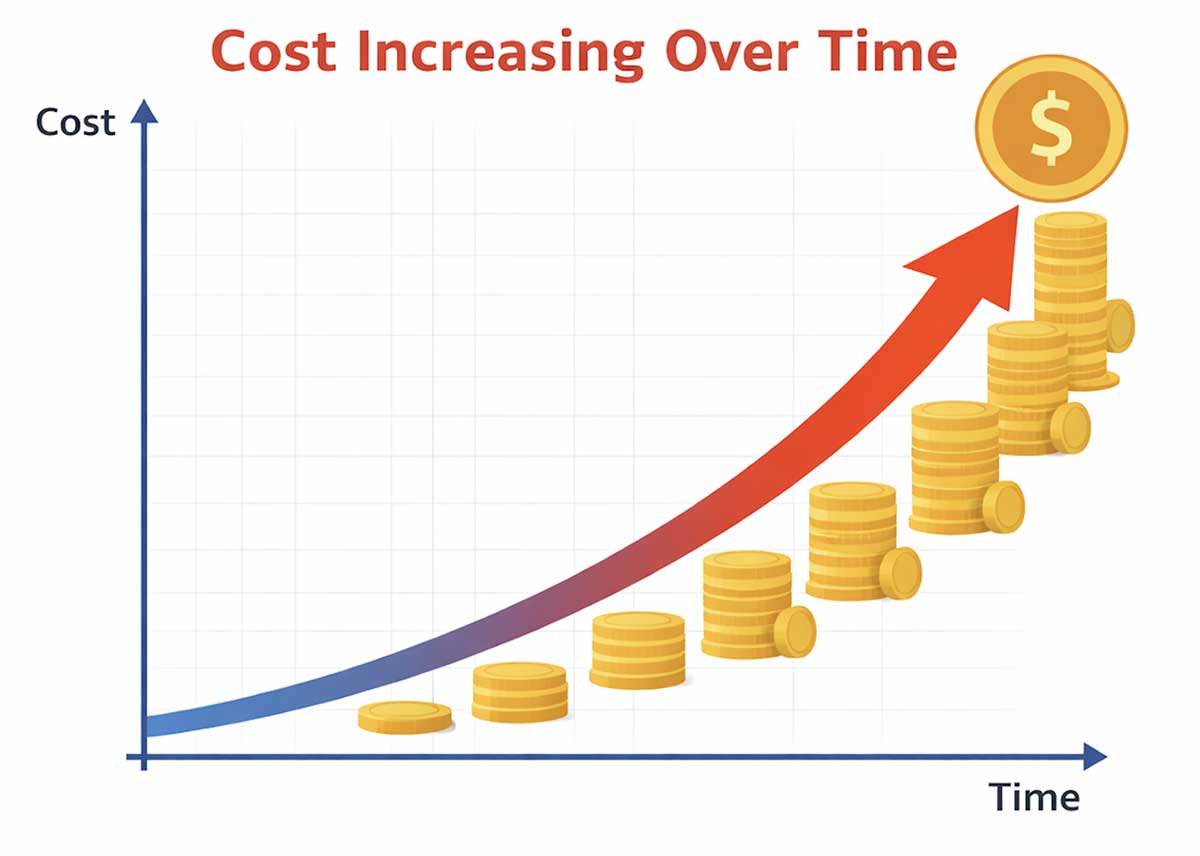
For many facilities, these surcharges become one of the most frustrating parts of wastewater management.
Evaporation offers a way to reduce or even eliminate many of these added costs.
Where Surcharges Come From
Disposal facilities and treatment plants charge based on what they receive. If wastewater contains higher levels of metals, oils, or dissolved solids, additional fees are often applied.
Even small changes in a waste stream can trigger these charges. A process adjustment on the production floor can lead to a higher concentration of contaminants, which then shows up on the next invoice.
Over time, these variable costs can be difficult to track and even harder to control.
Reducing Volume Changes Everything
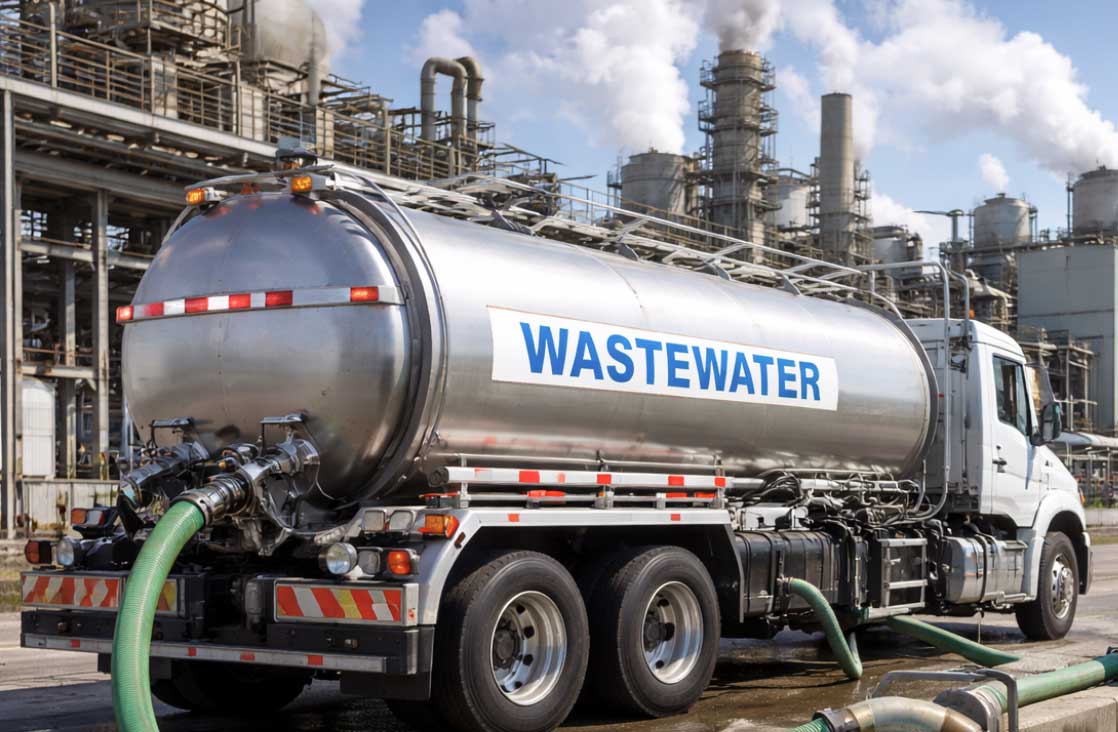 One of the simplest ways to reduce disposal costs is to reduce the amount of liquid being shipped. Evaporation does exactly that.
Most evaporators reduce wastewater volume by around 90 percent. That is a significant improvement, but it still leaves a remaining concentrate that must be hauled and disposed of. That remaining 10 percent often contains the highest concentration of contaminants, which means it can still carry surcharges.
When a RunDry Evaporator removes all the water, the situation changes. Instead of dealing with a liquid concentrate, the facility is left with only the residual waste. This further reduces hauling needs and limits the potential for additional fees tied to liquid disposal.
Staying Ahead of Compliance Issues
Regulations do not stand still. Limits can change, reporting requirements can expand, and enforcement can become stricter.
Facilities that rely entirely on hauling are often reacting to these changes. When a new rule takes effect, they may not have many options beyond paying higher fees.
Evaporation gives them more flexibility. By treating wastewater on site, they can adjust their process and stay within acceptable limits more easily.
Simplifying the Paper Trail
 Every load that leaves a facility requires documentation. Manifests, profiles, and compliance records all need to be maintained.
Reducing the number of shipments simplifies this process. Fewer loads mean fewer records, which reduces administrative effort and the chance for errors.
A More Controlled Approach
Surcharges are frustrating because they are often outside the generator’s control. Evaporation shifts that balance.
With conventional systems, there is still a dependency on hauling for the remaining concentrate. Systems that eliminate the water entirely reduce that dependency even further. The result is a cleaner, more predictable disposal process with fewer variables.
Instead of reacting to external pricing structures, facilities take a more active role in managing their waste. Costs become more predictable, and compliance becomes easier to maintain.
David N. Lyman, a mechanical engineer with over 40 years of industrial experience. Currently the president of RunDry Evaporators™.